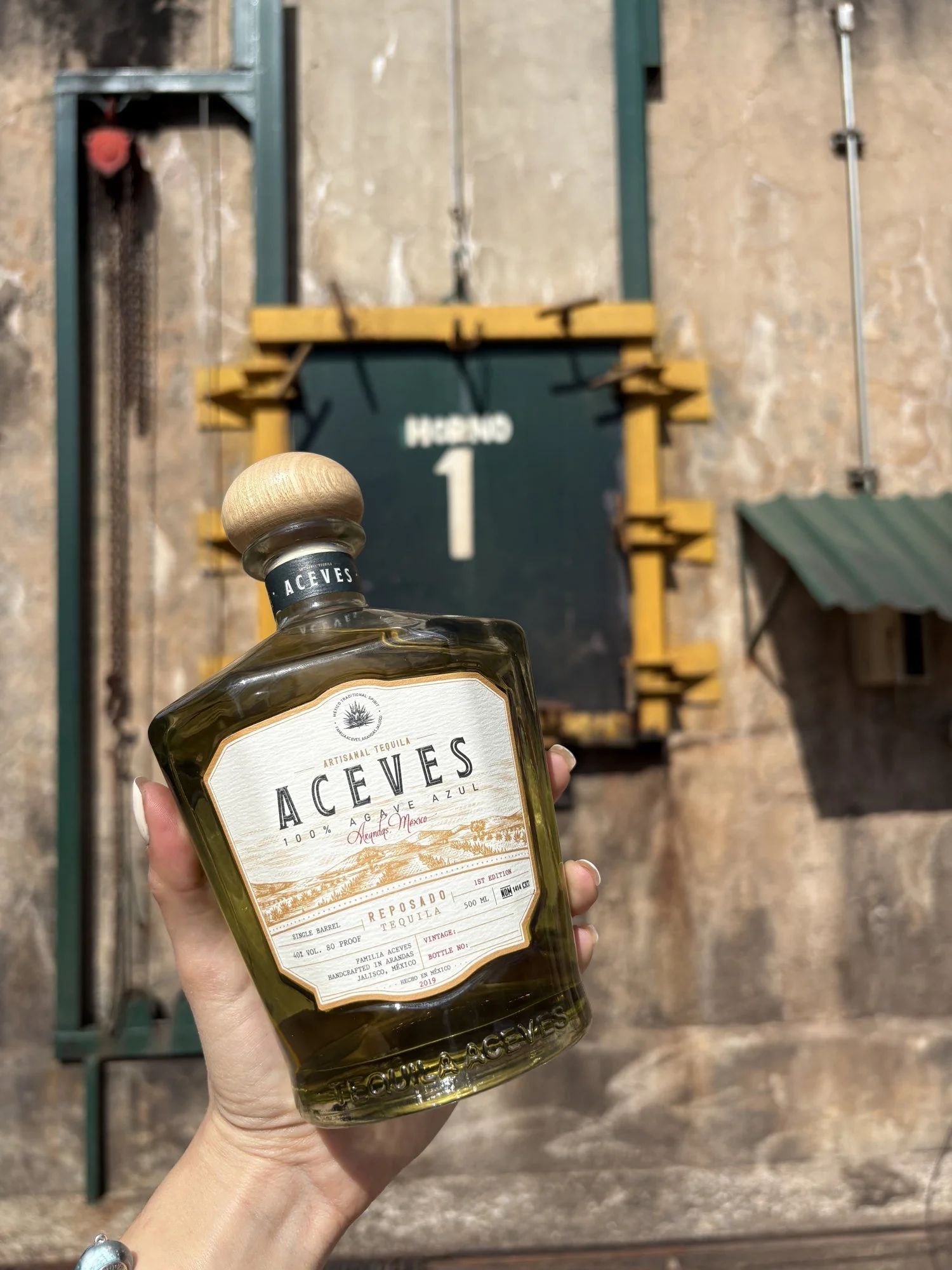
ACEVES is a premium tequila from Jalisco, Mexico, made from 100% Blue Weber agave.
Crafted with traditional artisanship and a family recipe – for those who savor tequila mindfully and value quality.
From Arandas, with love.
Who are we?
We are ACEVES – a family business from Arandas, Mexico. With every bottle, we share our tradition, our craftsmanship and our passion for authentic premium tequila.

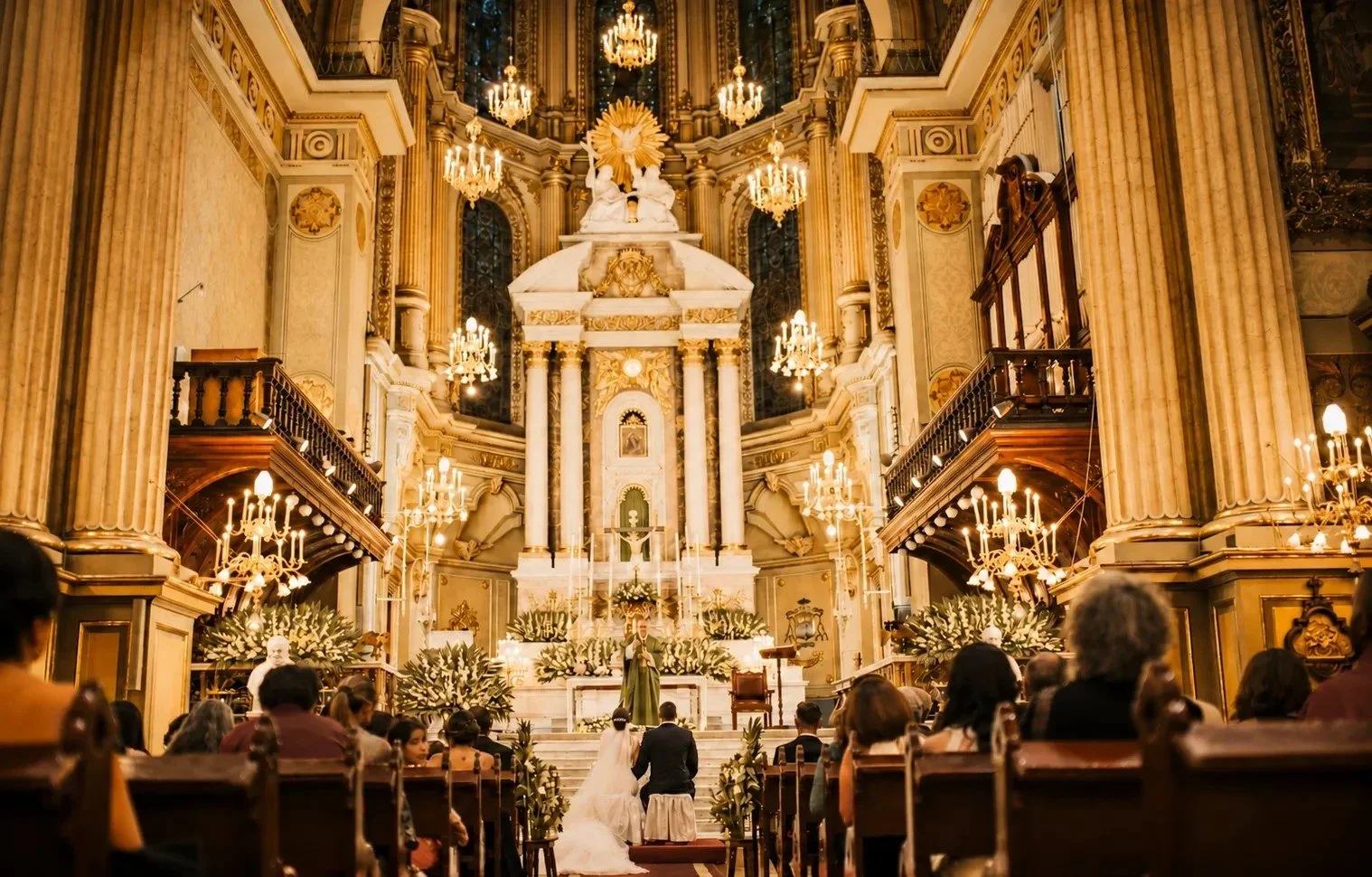 México · our wedding
“A celebration of love, tradition and the fusion of cultures.”
In the heart of Jalisco, Tequila Aceves was born from a unique love story – the marriage between Mexico’s vibrant heritage and German timeless artistry. Crafted to honour the union of two distinct worlds, we perfected a one-of-a-kind profile that harmoniously blends both cultures. Made in small batches, bottled at origin. More than just tequila – it’s a labour of love.
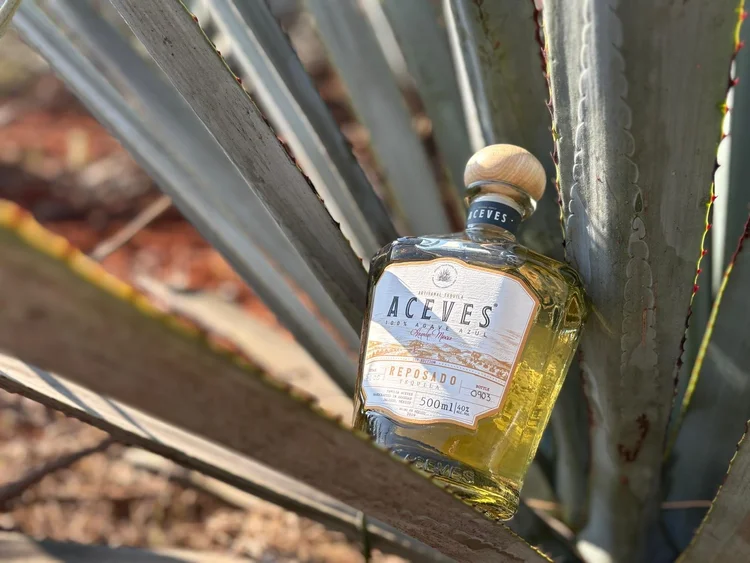 Our labour of love
TEQUILA ACEVES
ACEVES is the result of a Mexican-German family story.
In Arandas, Jalisco – the heart of tequila making – 100% Blue Weber agave becomes a premium tequila that unites tradition, craftsmanship and modern enjoyment.


Our Flavor Profile

Aroma
Fresh citrus notes meet roasted Blue Weber agave. American white oak lends the bouquet elegance and depth.
Taste
Smooth and balanced with a natural agave sweetness. Citrus freshness and subtle herbal notes create an exceptionally soft, long-lasting finish.
Color
Golden amber with brilliant clarity and a silky sheen.
Shaped by Nature
Our Blue Weber agaves grow for five to seven years in the red soils of Arandas, Jalisco. Surrounded by orange and citrus trees, they develop their signature freshness and delicate citrus note right in the field – long before they become our tequila.
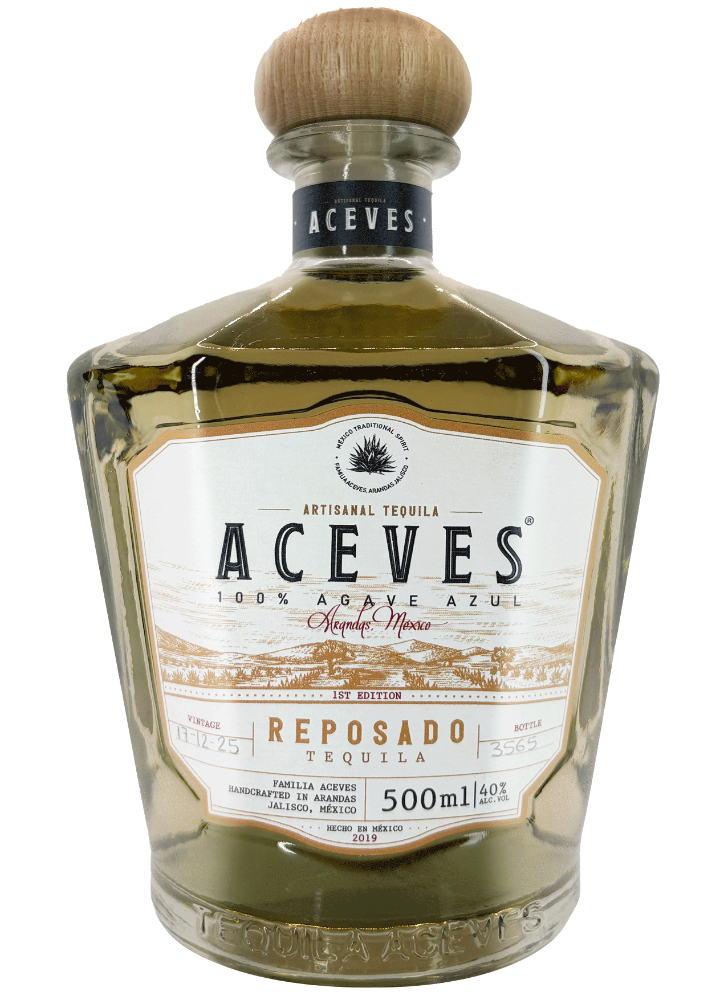 Reposado · 1st Edition
Our Blue Weber agaves grow for five to seven years in the red soils of Arandas, Jalisco. Surrounded by orange and citrus trees, they develop their signature freshness and delicate citrus note right in the field.
Fresh citrus notes meet roasted Blue Weber agave. American white oak lends the bouquet elegance and depth.
Smooth and balanced with a natural agave sweetness. Citrus freshness and subtle herbal notes create an exceptionally soft, long-lasting finish.
Golden amber with brilliant clarity and a silky sheen.
Reposado · 1st EditionUnsere Blauen Weber-Agaven wachsen fünf bis sieben Jahre in der roten Erde von Arandas, Jalisco. Umgeben von Orangen- und Zitrusbäumen entwickeln sie schon auf dem Feld ihre typische Frische und ihre feine Zitrusnote.
Frische Zitrusnoten treffen auf geröstete Blaue Weber-Agave. Amerikanische Weißeiche verleiht dem Bouquet Eleganz und Tiefe.
Weich und ausgewogen mit natürlicher Agavensüße. Zitrusfrische und feine Kräuternoten sorgen für einen außergewöhnlich sanften, lang anhaltenden Abgang.
Goldener Bernstein mit brillanter Klarheit und seidigem Glanz.
Tequilera
Created by a Certified Master
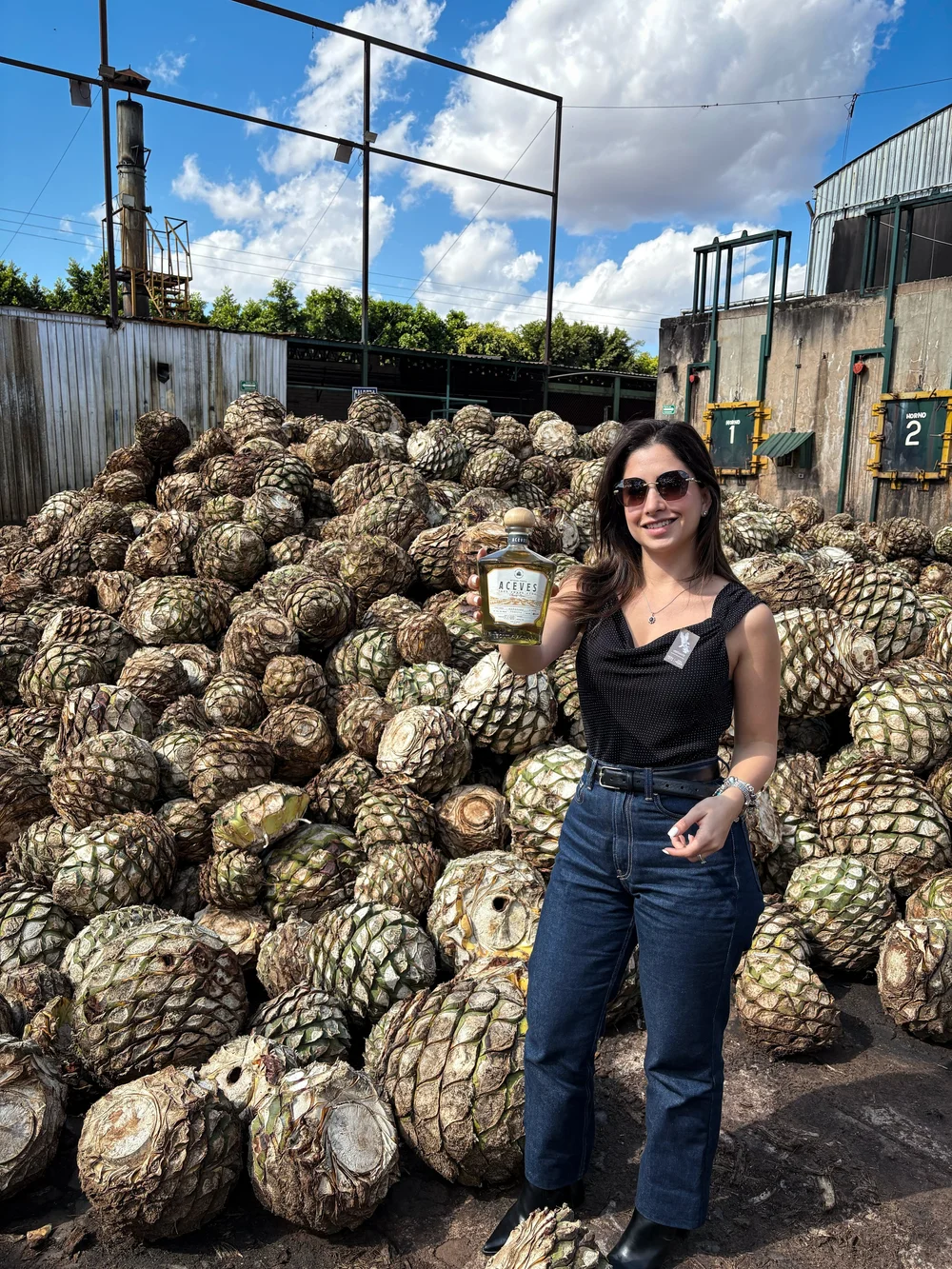
Cindy Aceves, co-founder and managing director of ACEVES, is an officially certified Experta Maestra Catadora de Tequila – a certified master tequila taster. Her trained palate stands behind our tasting notes and the way we recommend enjoying Aceves.
Every bottle of Aceves is the result of a process that has not changed in generations – and was never meant to.
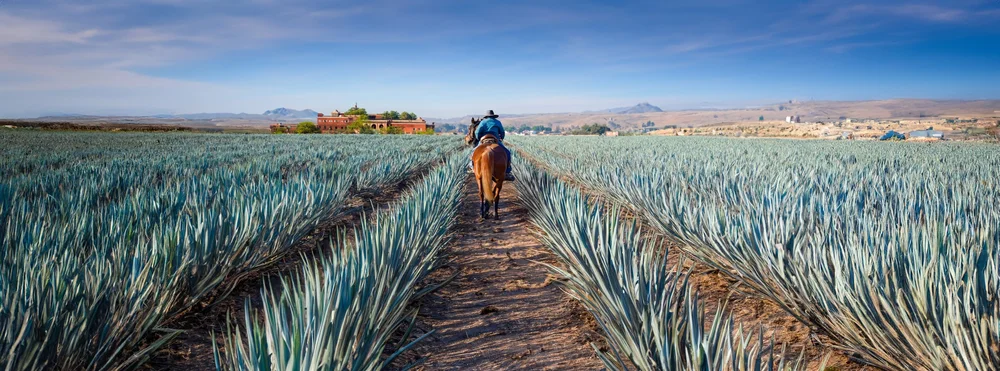
Aceves begins with Blue Weber agave grown in the red volcanic soil of Arandas, Jalisco – one of the most renowned growing regions in the tequila world. At over 2,000 metres above sea level, the cool nights and intense highland sun force the agave to grow more slowly, concentrating its sugars into something sweeter, creamier, more complex.
Between five and seven years. That is how long each plant grows before it is ready. There is no shortcut. The agave decides.
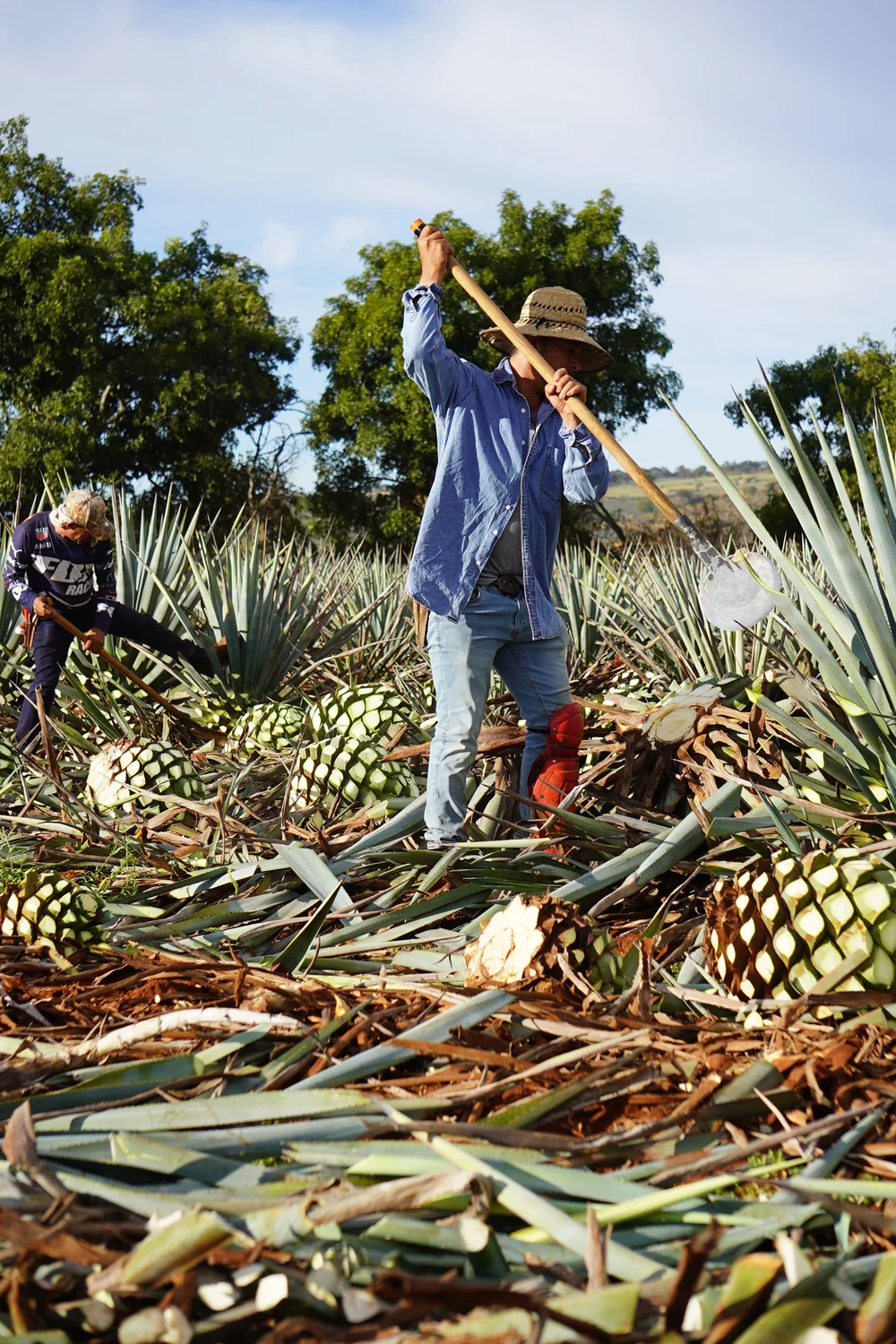
When the agave is ready, a jimador – a skilled harvester who has often learned the craft from his father – removes the long outer leaves with a coa de jima, a curved blade passed down like the knowledge itself. What remains is the heart: the piña, named for its resemblance to a pineapple, weighing between 40 and 90 kilograms.
No machine reads the plant. A person does.
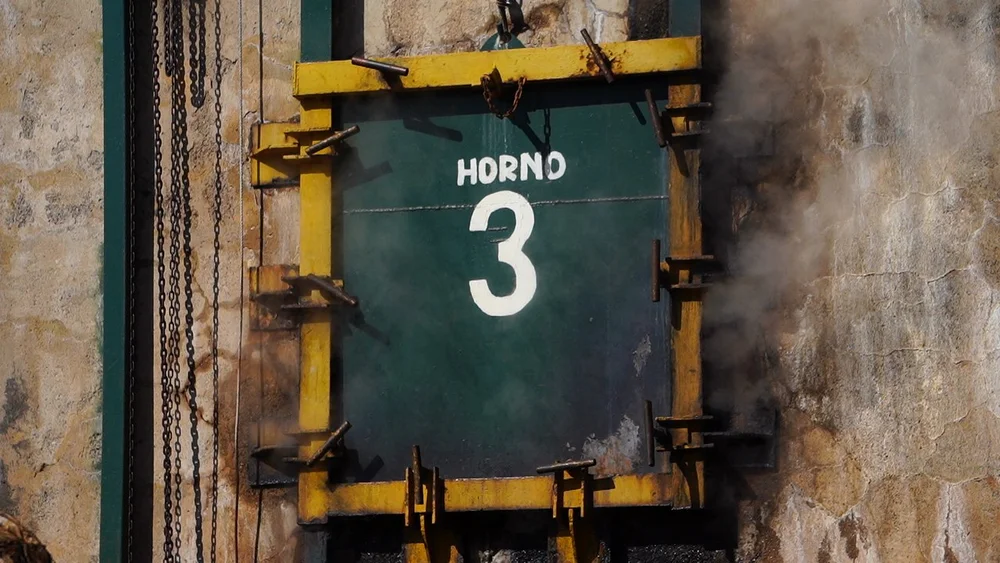
The piñas are halved and loaded into traditional masonry ovens, where they are cooked slowly with steam – a process that transforms the agave’s raw starches into fermentable sugars while developing the foundational aromas of the spirit.
The slow roast is what gives Aceves its warm, rounded base – a honeyed depth that arrives before anything else on the palate.
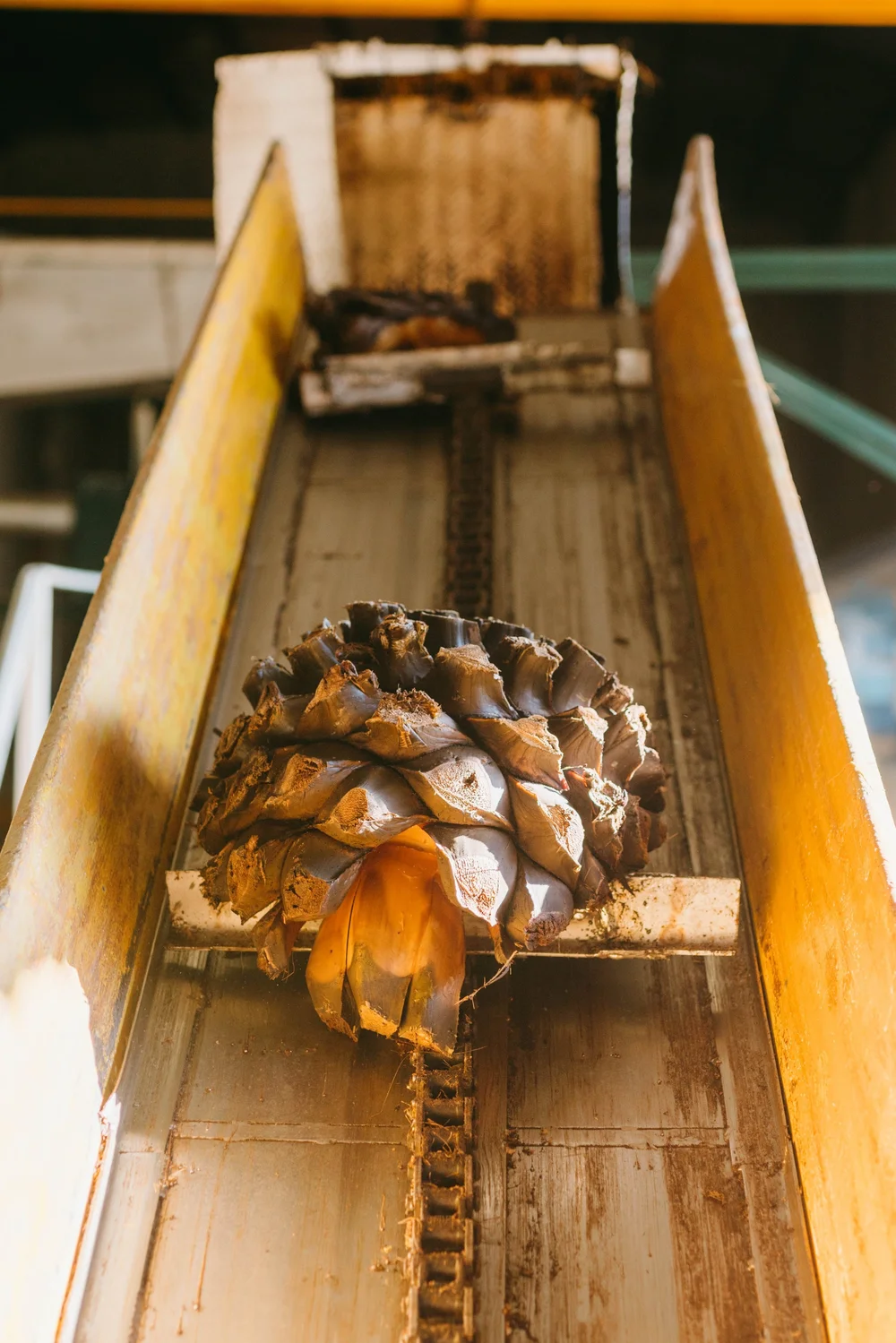
The roasted piñas are passed through a roller mill, which shreds the fibres and presses out the natural agave juice – the aguamiel, or honey water. This sweet liquid is the raw material of every drop of Aceves. The fibrous remains – the bagasse – are not discarded. They return to the earth as compost, feeding the soil for the next generation of agave.
Only the juice of the agave. Nothing added. Nothing wasted.
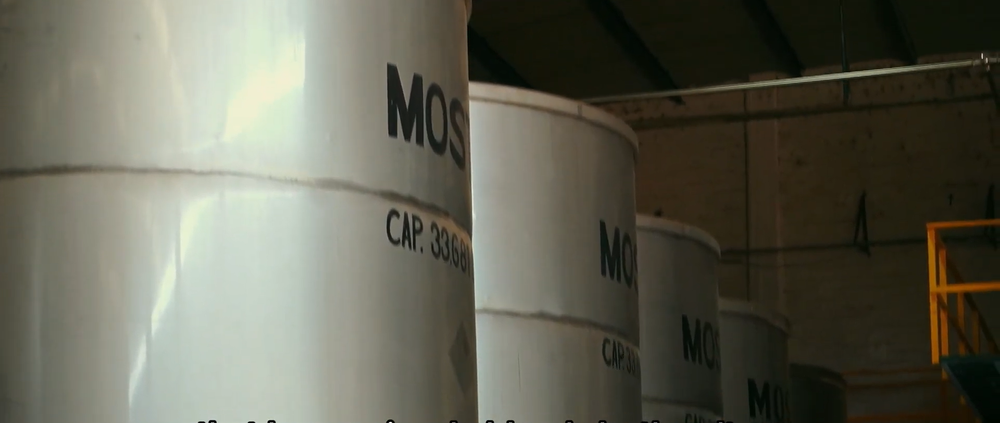
The agave juice is transferred to open-air wooden tanks, where natural yeast begins the fermentation – a slow, unforced process that can take days. The tanks breathe. The liquid moves. You can hear it working.
This is where the floral notes develop, where the agave’s sweetness begins to evolve into something more layered and alive.
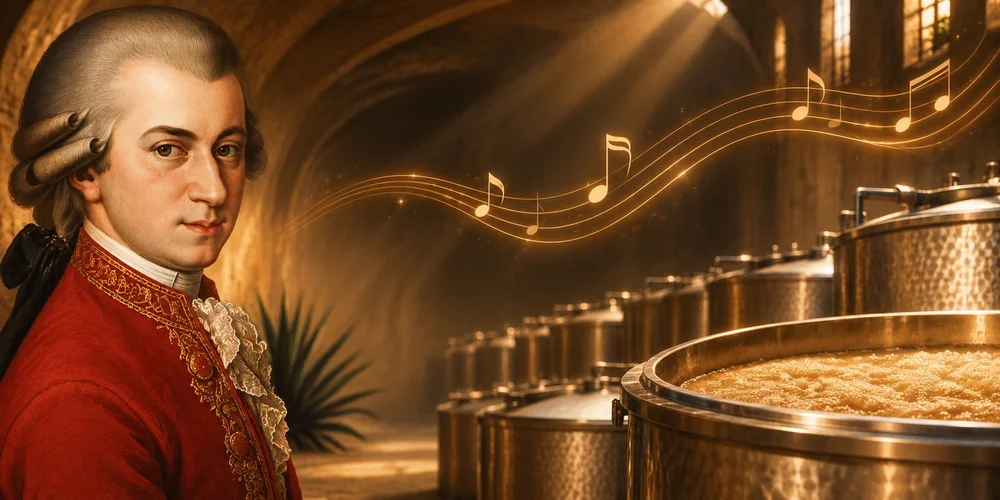
During fermentation, classical music – Mozart – is played continuously into the tanks. The vibrations gently move the liquid and keep the yeast active – for a more layered fermentation.
The result is in the glass.
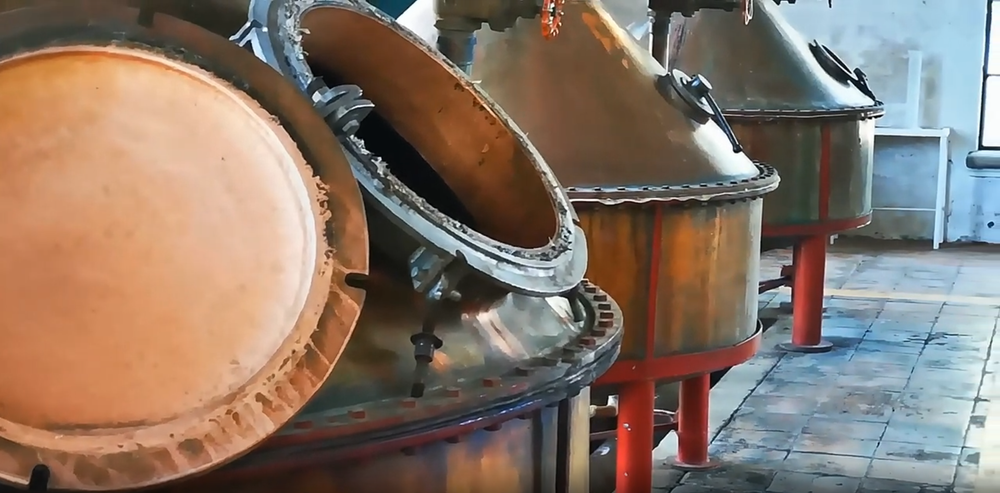
The fermented liquid is distilled twice in copper pot stills – first to produce a rough distillate, then again to refine and concentrate the spirit. The copper reacts with the vapour as it rises, removing unwanted compounds and adding a natural smoothness that stainless steel cannot replicate.
Bottled at 40% Alc. Vol. – precisely where the balance lives.
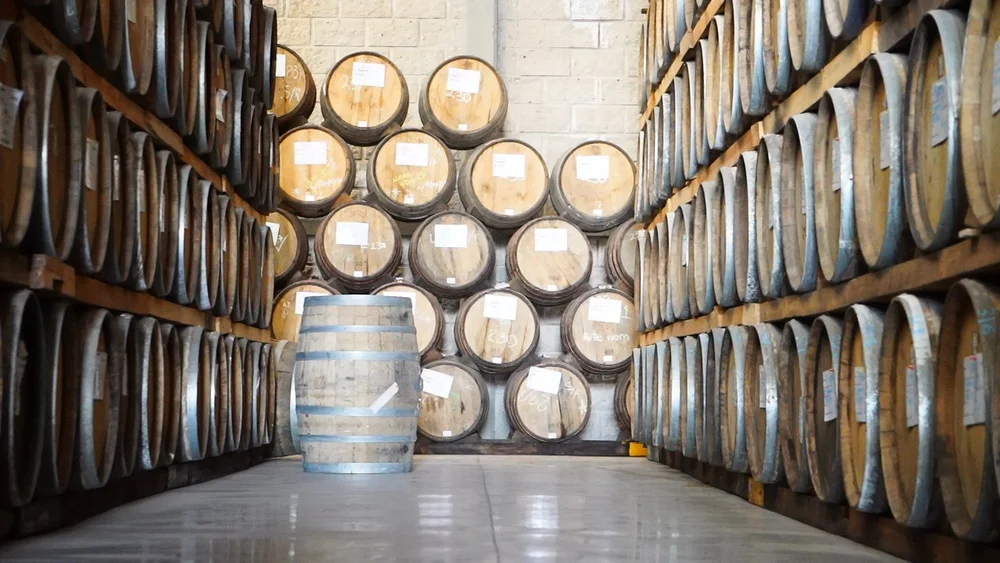
The distillate rests in American oak barrels – the defining stage that transforms a blanco into a reposado. The oak lends Aceves its deep wheat-gold colour, and slowly releases notes of caramel and soft spice into the spirit.
This is where patience becomes flavour. The barrel does not hurry. Neither do we.
Seven steps. Five to seven years in the ground. Generations of knowledge. And one profile, refined over five years until it was exactly what it was meant to be.
Jede Flasche Aceves ist das Ergebnis eines Prozesses, der sich seit Generationen nicht verändert hat – und nie verändern sollte.
Aceves beginnt mit Blauer Weber-Agave, die in der roten Vulkanerde von Arandas, Jalisco wächst – einer der renommiertesten Anbauregionen der Tequila-Welt. Auf über 2.000 Metern Höhe zwingen die kühlen Nächte und die intensive Hochlandsonne die Agave zu langsamerem Wachstum, das ihre Zucker konzentriert – süßer, cremiger, komplexer.
Fünf bis sieben Jahre. So lange wächst jede Pflanze, bevor sie bereit ist. Es gibt keine Abkürzung. Die Agave entscheidet.
Wenn die Agave bereit ist, entfernt ein Jimador – ein erfahrener Erntehelfer, der das Handwerk oft vom Vater gelernt hat – mit einer Coa de Jima die äußeren Blätter. Was bleibt, ist das Herz: die Piña, benannt nach ihrer Ähnlichkeit mit einer Ananas, zwischen 40 und 90 Kilogramm schwer.
Keine Maschine liest die Pflanze. Ein Mensch tut es.
Die Piñas werden halbiert und in gemauerte Öfen gegeben, wo sie langsam mit Dampf gegart werden – ein Prozess, der die rohen Stärken der Agave in vergärbare Zucker umwandelt und gleichzeitig die Grundaromen des Destillats entwickelt.
Das langsame Rösten verleiht Aceves seine warme, runde Basis – eine honigsüße Tiefe, die als Erstes am Gaumen ankommt.
Die gerösteten Piñas werden durch eine Walzenmühle geführt, die die Fasern zerreißt und den natürlichen Agavensaft – das Aguamiel, das Honigwasser – herauslöst. Diese süße Flüssigkeit ist der Rohstoff jedes Tropfens Aceves. Die faserigen Überreste – die Bagasse – werden nicht entsorgt. Sie kehren als Kompost in die Erde zurück und nähren den Boden für die nächste Generation Agave.
Nur der Saft der Agave. Nichts hinzugefügt. Nichts verschwendet.
Der Agavensaft wird in offene Holztanks gefüllt, wo natürliche Hefe die Gärung beginnt – ein langsamer, unerzwungener Prozess, der Tage dauern kann. Die Tanks atmen. Die Flüssigkeit bewegt sich. Man hört sie arbeiten.
Hier entwickeln sich die floralen Noten – die Süße der Agave beginnt sich in etwas Schichtreicheres und Lebendigeres zu verwandeln.
Während der Gärung wird kontinuierlich klassische Musik – Mozart – in die Tanks gespielt. Die Schwingungen bewegen die Flüssigkeit sanft und halten die Hefe aktiv – für eine vielschichtigere Gärung.
Das Ergebnis liegt im Glas.
Die vergorene Flüssigkeit wird zweifach in kupfernen Brennblasen destilliert – zuerst zu einem rohen Destillat, dann erneut, um es zu verfeinern und zu konzentrieren. Das Kupfer reagiert mit dem aufsteigenden Dampf, entfernt unerwünschte Verbindungen und verleiht eine natürliche Weichheit, die Edelstahl nicht erreicht.
Abgefüllt mit 40 % Vol. – genau dort, wo die Balance liegt.
Das Destillat ruht in amerikanischen Eichenfässern – die entscheidende Phase, die einen Blanco in einen Reposado verwandelt. Die Eiche verleiht Aceves seine tiefe, weizengoldene Farbe und gibt langsam Noten von Karamell und sanfter Würze an den Brand ab.
Hier wird Geduld zu Geschmack. Das Fass eilt nicht. Wir auch nicht.
Sieben Schritte. Fünf bis sieben Jahre in der Erde. Generationen an Wissen. Und ein Profil, über fünf Jahre verfeinert, bis es genau das war, was es sein sollte.
nom
1414
Origin
Highlands of Arandas, Jalisco — NOM 1414
Cooking method
Traditional Stone Ovens
Extraction method
Roller Mill
Distillation
Double Distilled
Stills
Copper Pot Stills
Alcohol content
40% ABV
Fermentation
Open Fermentation Tanks
Agave content
100% Blue Weber Agave
Water source
Deep Well Water
Bottles
100% Recycled Glass
Harvest
By hand, by experienced jimadores
Agave maturation
5–7 years
Barrel aging
American White Oak Barrels